On June 24, 2026, two massive earthquakes struck Venezuela just west of the capital, Caracas. As of this month, over 6,500 fatalities have been confirmed, with tens of thousands of people still missing.
A former Air/Light contributor, Robinson Moreno, reached out to his writing community, our editors included, to highlight the project has he has spearheaded in the aftermath of the earthquake:
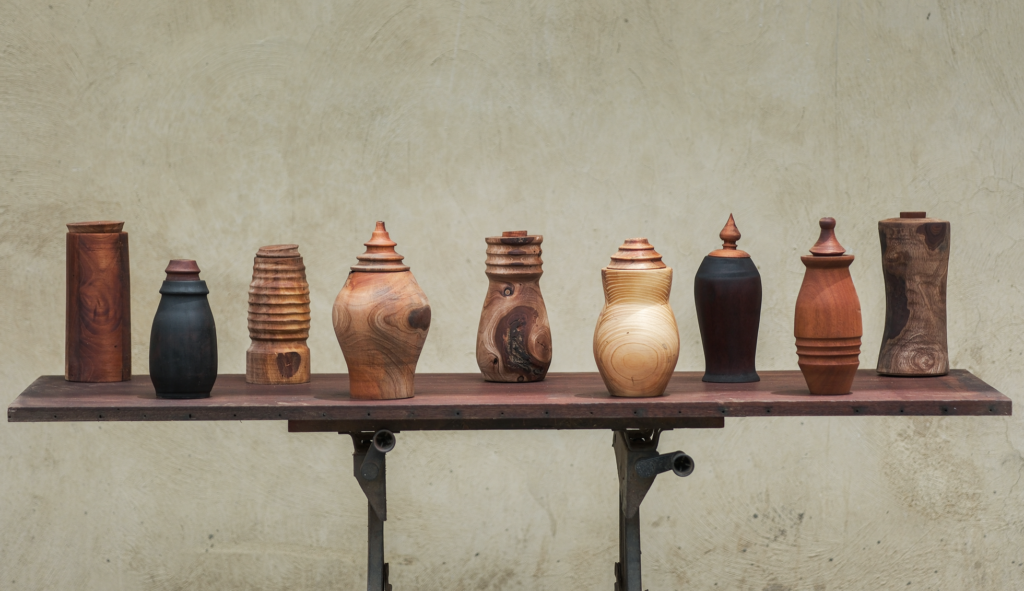
After the June 24th earthquake here in Caracas, I started a project with a team of young volunteers. We’re gathering fallen tree trunks around the city and turning them on the lathe to craft handmade cremation urns for families who lost children in the disaster. Attached are a few photos and a short video from the workshop.
We’re currently raising funds to buy raw materials, cover basic workshop costs, and provide meals for the volunteers. If you’re able to chip in or share this with your network, any help is deeply appreciated.
We reached out to him for a brief interview to learn more about the project, and to help spread the word as much as we can.
A/L: Let’s start with some background: for those who might not be fully up to date, what is the situation in Caracas right now? What happened, and how are people living their day-to-day lives?
RM: Caracas has been living inside a deep economic crisis for years, made heavier by the invasion earlier this year. But on June 24, two earthquakes measuring 7.2 and 7.5 on the Richter scale struck the north-central part of the country, leaving an indelible mark of pain and death. Today, the city is caught between reconstruction and the open wounds of the earthquake: where buildings once stood, there are now empty spaces, small tributes to the deceased, or the bitter sight of stacked concrete slabs, while affected families survive in tents and makeshift shelters.
But the harshest reality of this tragedy is not in the capital, but in La Guaira, acommunity struck catastrophically. Located on the Caribbean coast, just 30 minutes from Caracas, it is the country’s maritime and air gateway—a region historically marked by natural disasters. The consequences there have been brutal: official figures now exceed 6,500 dead and thousands missing, leaving tens of thousands homeless and forced to survive outdoors, while teams of family members and volunteers continue to this day to dig through the rubble in the agonizing search for their loved ones.
A/L: How did you come up with the idea of creating these urns?
RM: During the first 72 hours, I volunteered to help clear debris from a collapsed building in the San Bernardino parish in Caracas. At that time, there was a strong sense of solidarity—from the workers helping to cut through thick layers of concrete and metal to the women who came down from their apartments to bring food to the volunteers.
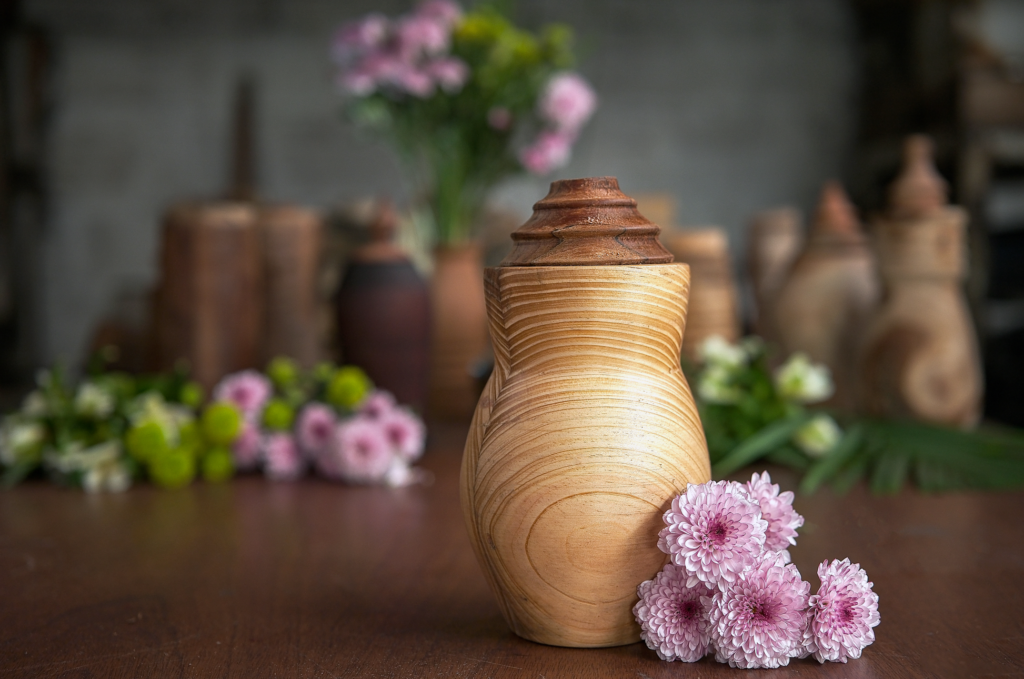
As the days passed and the death toll rose, I wanted to contribute something that might ease the process of grieving. I drew on my craft as a carpenter—a trade I inherited from my father—and remembered that after he was cremated, I kept imagining a curved urn, shaped like an embrace, rather than the usual square box. I found it powerful to approach the making of a cremation urn from a symbolic and direct perspective—to work with the material and create a practical object meant to hold a loved one. Aware of how difficult it was to come to terms with the tragedy, I proposed making them collectively, in the hope that this would help us heal together. I hoped that, when shared, our grief would become something that would sustain us.
A/L: What is your situation right now? What was it like for you on the day of the earthquake?
RM: My current situation and my health are fine, all things considered. On the day of the earthquake, I was in my apartment with my roommates. I was cooking when I received an alert on my cell phone warning of a strong earthquake. I left the kitchen, saw my dog acting agitated, and suddenly, the first tremor began. My immediate reaction was to get next to a column and brace myself in a doorframe. A few seconds later, a second tremor hit—much stronger. I remember the sound of the walls cracking; the building shook violently (I live on the second floor), and in the background, I could hear screams of panic. Most of the window panes shattered, glass rained down from above, keeping people from getting out into the street.
Fortunately, no one in the building was physically injured, and specialists eventually arrived and confirmed that the structure itself had not been compromised—only the masonry had been damaged. The cracks have been repaired, but the scars remain visible.
A/L: Can you tell me about the process of making the urns? They’re stunningly beautiful.
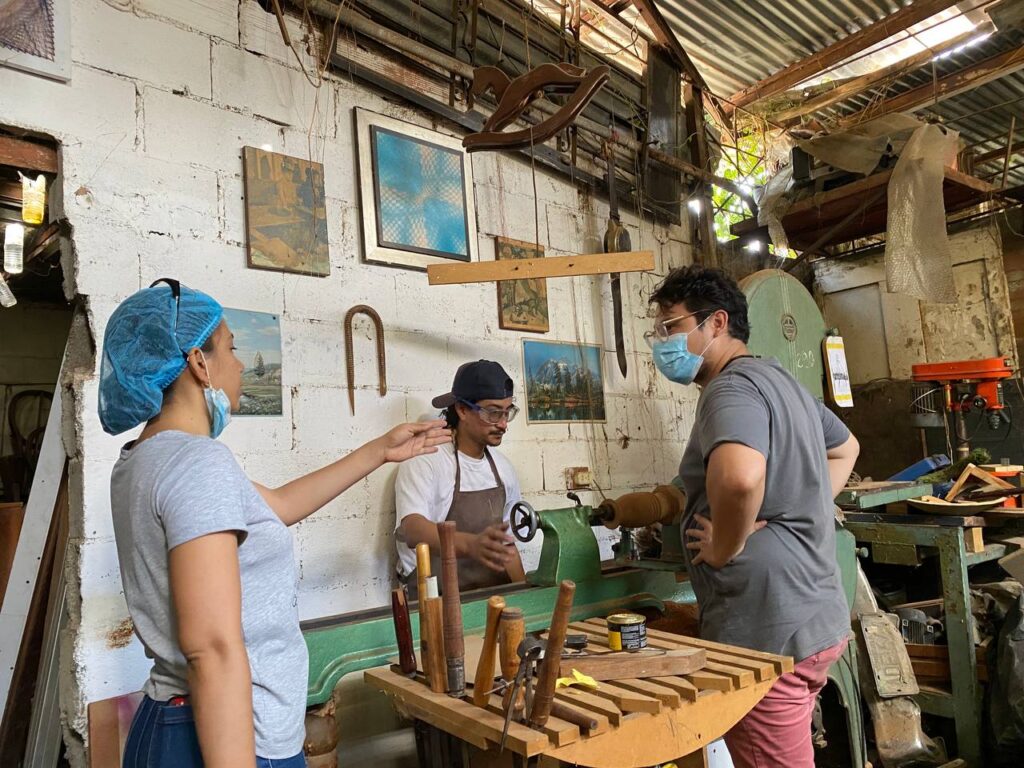
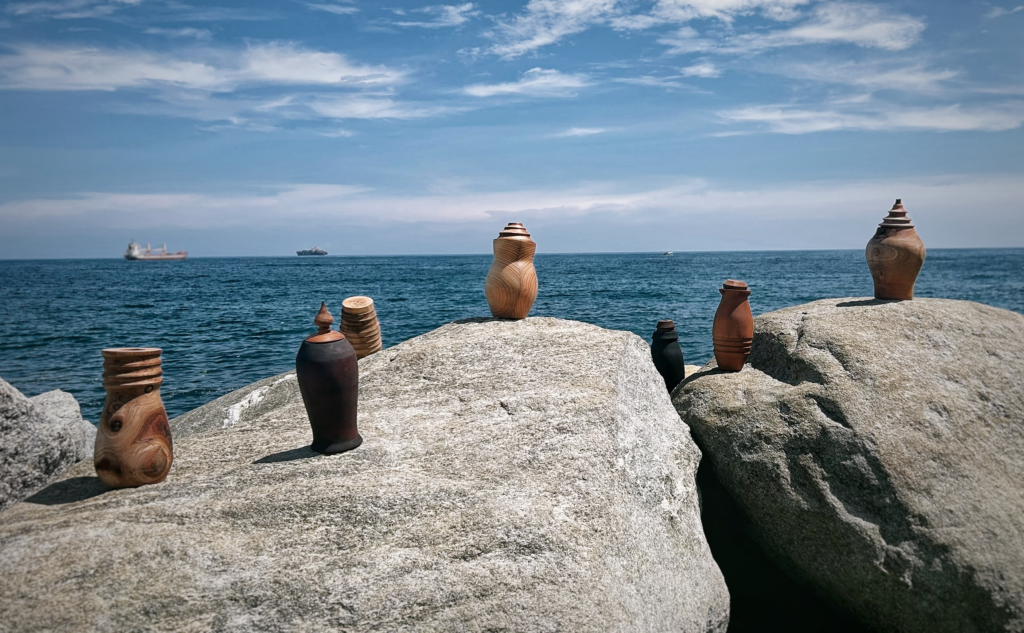
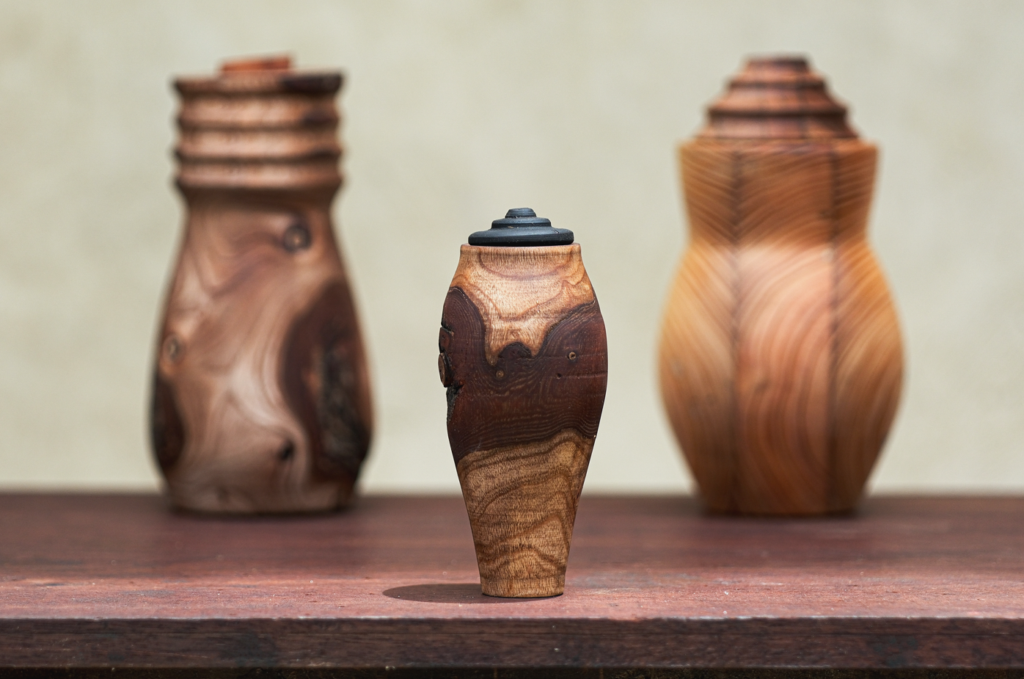
It began when I posted an Instagram story promoting the “handcrafted urns” initiative, initially prioritizing urns for children’s ashes—smaller pieces that carry a deep sense of dignity. We formed a group of volunteers who took turns working in my workshop in groups of six on Saturdays. The idea was to craft the urns from mahogany and saman logs I had already collected, along with reclaimed wood from the workshop—saqui-saqui and cedar among them.
The process began with some preliminary exploratory sketches,seeking simple, delicate forms that would evoke a nurturing womb and, in turn, connect with the ancestral forms of our indigenous communities. Those initial ideas on paper emerged from a creative exchange with Argenis Suárez, Daniela Martínez, Roxana, Valentina Hernandez, and Cacica Honta.
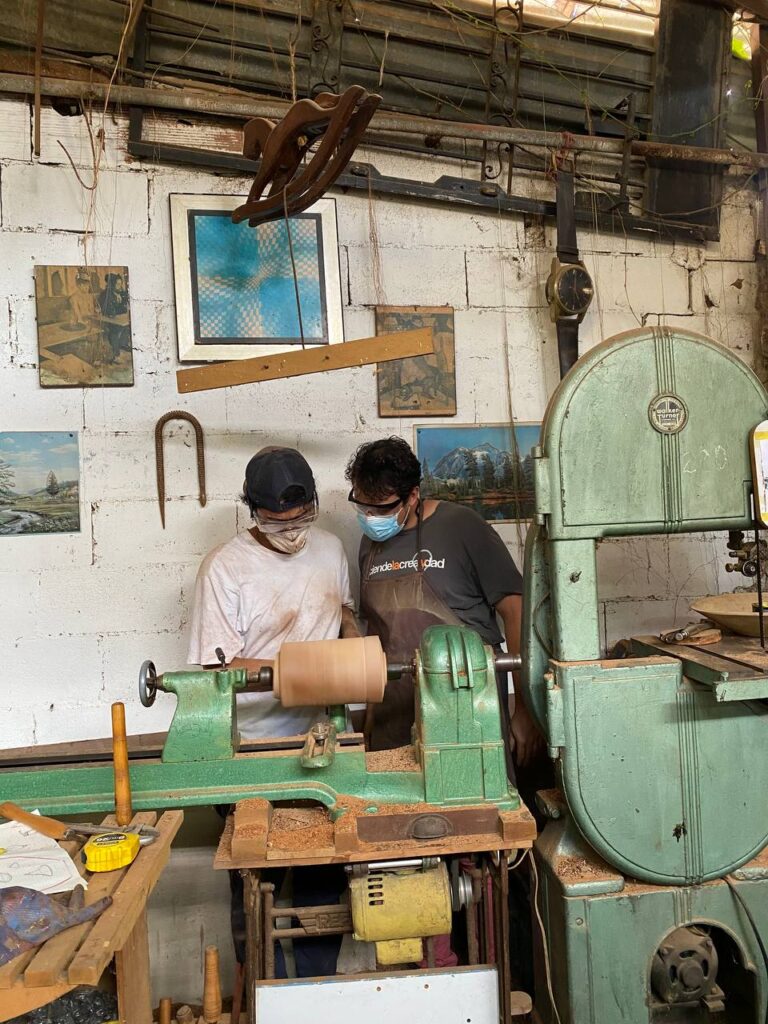
Next, we moved on to woodturning, after first cutting the logs. It was a learn-by-doing process—none of the volunteers had ever operated a lathe before. As I introduced them to the craft of woodturning, the pieces began to take shape. The design also allowed for some flexibility, because when working with natural wood, each grain pattern is unique and the shape adapts to the grain of the piece. All the logistics and production were a collaborative effort, working side by side with Alfredo Lara, Crismar Chaparro, ‘Yayo’ Zambrano, Irina Hasduar, Robinson Moreno, Alfonsina Reiter, Thiany Gonzalez, Miguel Contreras, Carlos Gabriel, Argenis Suárez, Daniela Martínez, Roxana Jiménez, Valentina Hernández, and Cacica Honta.
A/L: If people want to help in some way with this project, how should they go about doing so?
RM: Two months after the earthquake, as the tragedy has begun to fade from the media spotlight, simply sharing this story is already a significant contribution. The cremation urns we made were donated directly to families in La Guaira, where the situation remains critical and many bodies are still buried beneath the rubble.
To sustain this work, we’ve set up a PayPal account where we continue to receive donations. Thanks to that support, we’ve been able to carry out this initiative. Every contribution helps us buy lumber and supplies, keep the workshop tools running, and cover logistics and meals for the volunteers who give their time in each session.
You can learn more about the project here. If you would like to contribute in some way to this project, please reach out to Robinson at robinsongraficas@gmail.com.

